
The Reading Nook shares practical, down-to-earth guidance on cosy reading and books for readers across the UK.
- 0123456789
- Angle Bd Abdelmoumen & rue soumaya, Résidence
- [email protected]
The Reading Nook shares practical, down-to-earth guidance on cosy reading and books for readers across the UK.
 By Daniel Whitaker
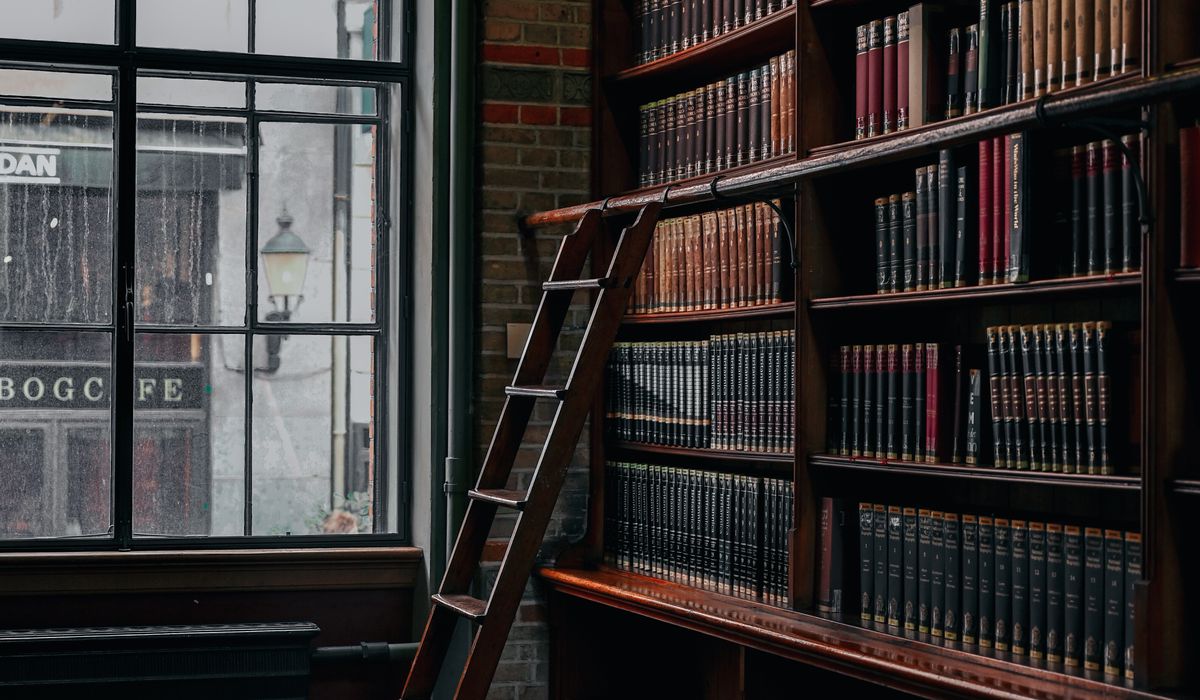
Paper is a sponge in disguise. Every sheet, board and dust jacket is made from cellulose fibres that constantly trade moisture with the air around them. When the relative humidity in a room creeps above roughly 60 per cent, those fibres start to swell. Pages cockle, covers curl away from the text block, and the spine of a fat hardback can bow like a banana. Leave things longer and the real trouble begins: mould spores, which are always drifting about in ordinary household dust, find the damp paper irresistible.
What makes this so frustrating is how quietly it happens. A shelf pressed against a cold external wall, a forgotten corner behind a sofa, a closed cupboard beside a bathroom — none of these look dangerous. But British weather gives us damp air for much of the year, and homes that feel perfectly comfortable to us can still be quietly hostile to a library. The good news is that the remedies are cheap, simple and mostly a matter of habit.
The coldest surfaces in any room are the ones facing outside, and cold surfaces attract condensation. That is why an external wall can feel slightly clammy even when the rest of the room seems dry. If your bookcase sits flush against one, the backs of your books are living in the dampest spot in the house.
Silica gel is the unsung hero of book preservation. Those little sachets that arrive in shoeboxes are cheap to buy in bulk and genuinely effective in an enclosed space. Tuck one 50g sachet on each shelf, or two behind a row of tightly packed books.
Look for the colour-indicating kind: the beads start orange and turn green as they fill with moisture, which takes the guesswork out of knowing when to swap them. Most sachets can be refreshed by spreading the beads on a baking tray and warming them gently in a low oven until the colour returns, then left to cool before going back on the shelf.
For genuinely precious volumes — a signed first edition, a family bible, anything with sentimental weight — a lidded plastic storage box with a gasket seal and a couple of fresh sachets inside will keep it in its own little microclimate. Add a sheet of acid-free tissue between the book and the box to be kind to the covers. Uncooked rice in a fabric pouch works in a pinch, though it is less reliable and needs replacing more often.
Still air is mould's best friend. A shelf packed solid with books, with no gaps and no draught, holds a pocket of damp air against the pages for weeks.
Protection is mostly routine, and routines are easy once they are set. Once a month, run a hand along the back of your shelves and check for coldness or clamminess. Every three months, swap or refresh your silica sachets. Once a year, take everything off the shelves, dust the boards, and let the unit air for a few hours before restocking.
Dry laundry outdoors or in a tumble dryer rather than on a radiator if you can, and always use the extractor fan when cooking. These small choices keep litres of water out of the air in the first place, which is far easier than removing it later.
Act quickly and gently. Separate any affected books from the rest so mould does not spread, then take them to a dry, airy room. Stand them upright with the pages fanned slightly and let moving air do the work — a fan on a low setting is ideal. Never use direct heat such as a radiator or hairdryer, which warps boards and makes the damage permanent.
For a damp but not mouldy book, interleave a few sheets of kitchen paper between the pages and change them as they soak up moisture. If you spot the powdery grey or black bloom of mould, brush it off outdoors while wearing a mask, wipe the covers with a barely damp cloth, and dry thoroughly before shelving. With a little attention and a steady supply of silica, most small outbreaks are entirely recoverable.


We are not gonna make spamming
