
The Reading Nook shares practical, down-to-earth guidance on cosy reading and books for readers across the UK.
- 0123456789
- Angle Bd Abdelmoumen & rue soumaya, Résidence
- [email protected]
The Reading Nook shares practical, down-to-earth guidance on cosy reading and books for readers across the UK.
 By Imogen Hartley
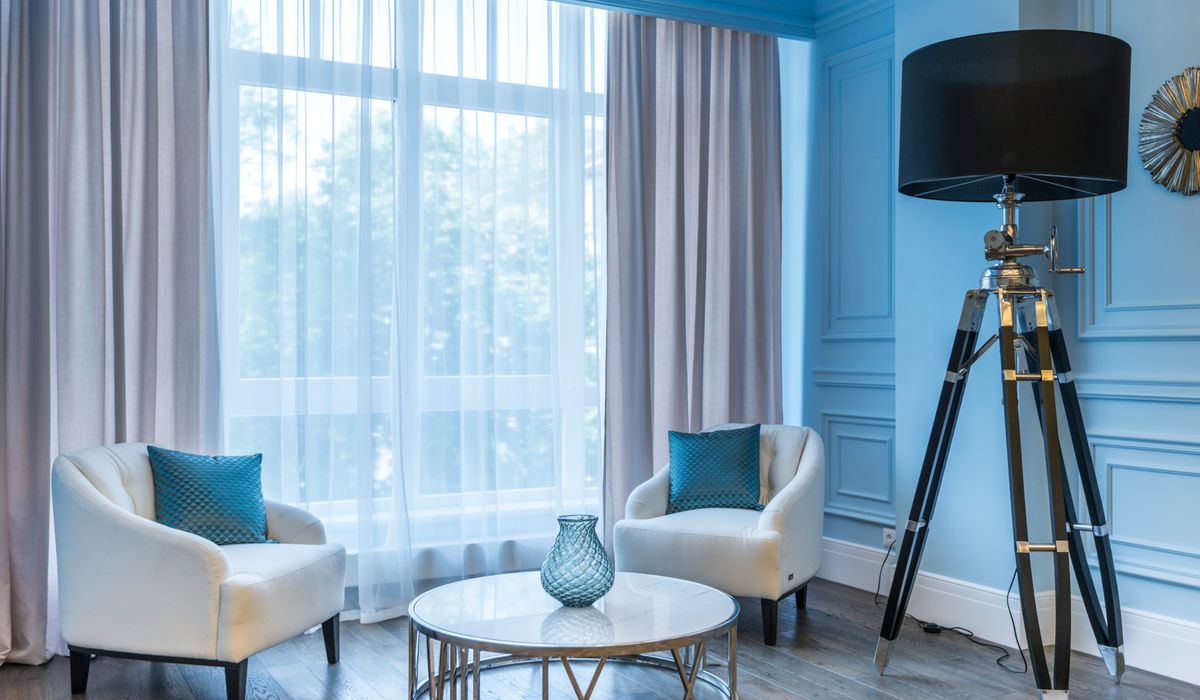
Shared living rooms are usually arranged around the loudest thing in them: the television, the games console, the group chat happening on the sofa. Quiet reading tends to get pushed into the bedroom, propped against pillows, or abandoned altogether. That is a shame, because the living room is often the warmest, brightest and most sociable room in the flat — exactly where you want to be on a grey Sunday afternoon.
The trick is not to claim the room. It is to carve out a small, legible zone that says this is where reading happens without asking anyone else to change how they live. A screen, a rug and a side table are enough. Together they mark a boundary, soften the noise and give you somewhere to put a cup of tea down. Crucially, they also make the corner obvious to everyone else, which means flatmates can use it when you are not there. A reading corner works best as a shared amenity with a default occupant, rather than a private fort in the middle of communal space.
The single most effective move is a screen. A three-panel folding screen does two jobs at once: it blocks the sightline to the television when you are seated, and it gives the corner a back, so you are not reading in the middle of a thoroughfare. Aim for something tall enough that your eyeline clears it when you are sitting down — around 1.5 metres is usually plenty.
If the room is tight, choose a screen that folds flat so it can be stowed when you are hosting. Position the back of it towards the busiest part of the room — that is where the noise and movement come from.
Rugs do quiet, non-negotiable work. A rug marks a zone more gently than a wall of furniture, and nobody has to agree to anything for it to function. Choose one large enough that at least the front legs of your chair sit on it; ideally all four. A rug that is too small reads as a bath mat and does nothing for the space.
Wool or a wool-blend is warmer underfoot and absorbs sound, which matters in a flat with hard floors and neighbours below. Flatweave is easier to shake out and cheaper to clean if someone spills a drink on film night. Pick a colour that either blends with the room or is deliberately distinct — a distinct rug is a visual cue that this bit of floor has a purpose. Add a small basket at the edge for a blanket and slippers, and keep the rug clear of doorways so nobody trips carrying plates.
Reading needs light, and overhead lighting is rarely kind. A floor lamp or a wall-mounted swing-arm lamp with a warm bulb, around 2700K, placed over your shoulder rather than in front of your face, will do more for comfort than any chair upgrade. If you cannot rewire anything, a rechargeable clip-on light or a lamp on a smart plug works perfectly well.
The side table should be small. Round tables are friendlier in tight spaces because there is no corner to catch a knee. Height matters more than style: roughly level with the arm of your chair, so you are not reaching up or stooping down. On top, keep a coaster, your current book and perhaps a small dish for keys or glasses. Beneath, a lidded basket or a shallow drawer holds headphones, a charging cable and a bookmark or two. Nesting tables are ideal — pull one out when a flatmate brings you a brew, tuck it away when they leave.
A corner that respects other people is a corner that survives. Before you rearrange anything, ask. Shared furniture belongs to everyone, and a chair moved without warning is a small betrayal that lingers.
A reading corner only earns its floor space if you use it. Anchor it to a routine: twenty minutes with a cup of tea at the same time each day, or half an hour on weekend mornings before the flat wakes up. Leave the book you are reading on the side table, so picking it up is the path of least resistance.
Adjust the corner with the seasons. In winter, add a heavier throw, keep slippers in the basket and move the chair away from draughty windows. In summer, shift it towards the light but out of direct sun, and swap the wool rug for something lighter. Rotate your books every few months and refresh one small thing — a cushion, a candle, a new lamp shade — so the corner does not become invisible. If evenings are too busy to read, claim the morning instead. The corner does not need to be perfect. It just needs to be yours for twenty quiet minutes a day.


We are not gonna make spamming
