
The Reading Nook shares practical, down-to-earth guidance on cosy reading and books for readers across the UK.
- 0123456789
- Angle Bd Abdelmoumen & rue soumaya, Résidence
- [email protected]
The Reading Nook shares practical, down-to-earth guidance on cosy reading and books for readers across the UK.
 By Eleanor Bramley
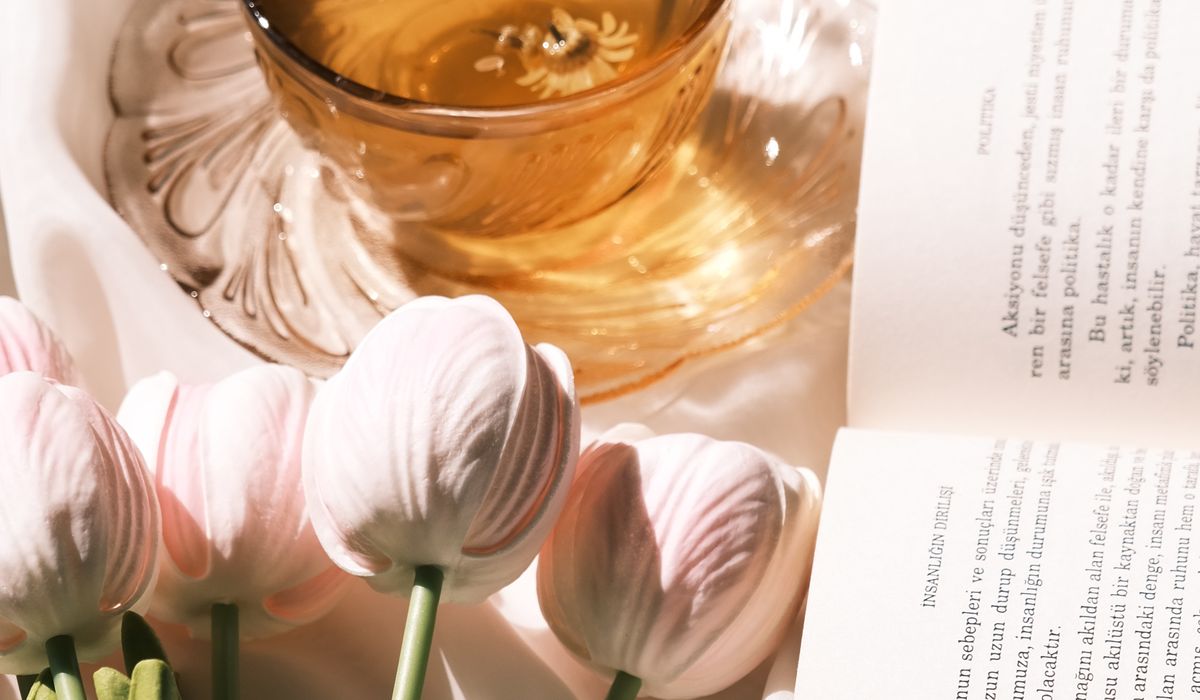
There is a quiet pleasure in scanning a shelf and finding exactly the book that suits the evening ahead. Alphabetical order is efficient, and it honours the author, but it rarely answers the question most readers actually ask themselves: what do I feel like reading tonight?
Grouping by author is a filing system. Grouping by mood is a browsing system, and browsing is what we actually do. When your shelves are arranged by atmosphere, the eye stops reading spines and starts reading promises: here is a shelf for wet Sundays, here is one for long, strange journeys, here is one for the sort of book you finish at two in the morning with your heart going.
There are practical benefits, too. You will rediscover titles that alphabetical order had buried, because a thriller sitting beside a quiet memoir suddenly looks interesting again. Guests can find something to borrow in seconds. And the shelf itself becomes a piece of decoration, a display that says something about your taste rather than simply storing it.
Most people try to invent too many categories and give up. Six is plenty. Write them on scraps of paper and keep them loose until the sorting is done. A workable set might look like this:
Name them in your own language. If you call a shelf "Sunday Night Books" you will know precisely what belongs there.
Do not empty the whole bookcase at once, or you will end up eating dinner surrounded by towers of paperbacks. Work one shelf at a time, and keep an empty crate for the maybes.
Once the piles exist, think about where each mood sits. Eye level is the most valuable real estate in the house, so give it the mood you reach for most often, not the one that looks most impressive. Shelves below the waist suit heavy reference books and anything you rarely browse. Above head height is for display: beautiful editions, oversized art books laid flat, and objects that do not need to be handled.
Light matters more than most people realise. A warm bulb of around 2700K makes paper and cloth spines glow; a cold white one makes them look like office stationery. Keep shelves out of direct sunlight, which will fade spines within a season or two, and consider a small lamp on the shelf itself. Position it so the light falls across the books rather than behind them.
Leave about a tenth of each shelf empty. Books need air, and your eyes need somewhere to rest. This is also the single easiest way to make a modest collection look considered.
A mood shelf works best when it has one or two companions. A pressed leaf with the nature writing. A small dish of sea glass with the travel books. A chipped enamel mug beside the comfort shelf. Keep it to one object per shelf, or two at most, and let it echo the mood rather than compete with it.
Labels help more than you might expect, particularly if you share the shelves. Small handwritten tags, luggage labels tied with string, or simple card strips held in little brass clips all work beautifully. Write in pencil so you can change your mind.
Bookends earn their keep here, and so do risers. A short stack of paperbacks at the back, spines visible above the front row, adds depth and lets you show off three or four covers at once.
A mood shelf is not a one-off job, it is a slow garden. Set aside half an hour at the turn of each season and move ten books. Pull the summer novels forward as the evenings lengthen; tuck the deep winter titles into the shadows in June. Keep a small "currently reading" shelf beside your favourite chair, and let it fill with whatever you are actually in the middle of, mood be damned.
If you share your home with another reader, agree on zones rather than rules. Two shelves each, one shared shelf for the overlap, and a joint overflow crate. The goal is not a perfect system but a living one: shelves that change as you do, and that offer you the right book before you knew you wanted it.


We are not gonna make spamming
