
The Reading Nook shares practical, down-to-earth guidance on cosy reading and books for readers across the UK.
- 0123456789
- Angle Bd Abdelmoumen & rue soumaya, Résidence
- [email protected]
The Reading Nook shares practical, down-to-earth guidance on cosy reading and books for readers across the UK.
 By Imogen Hartley
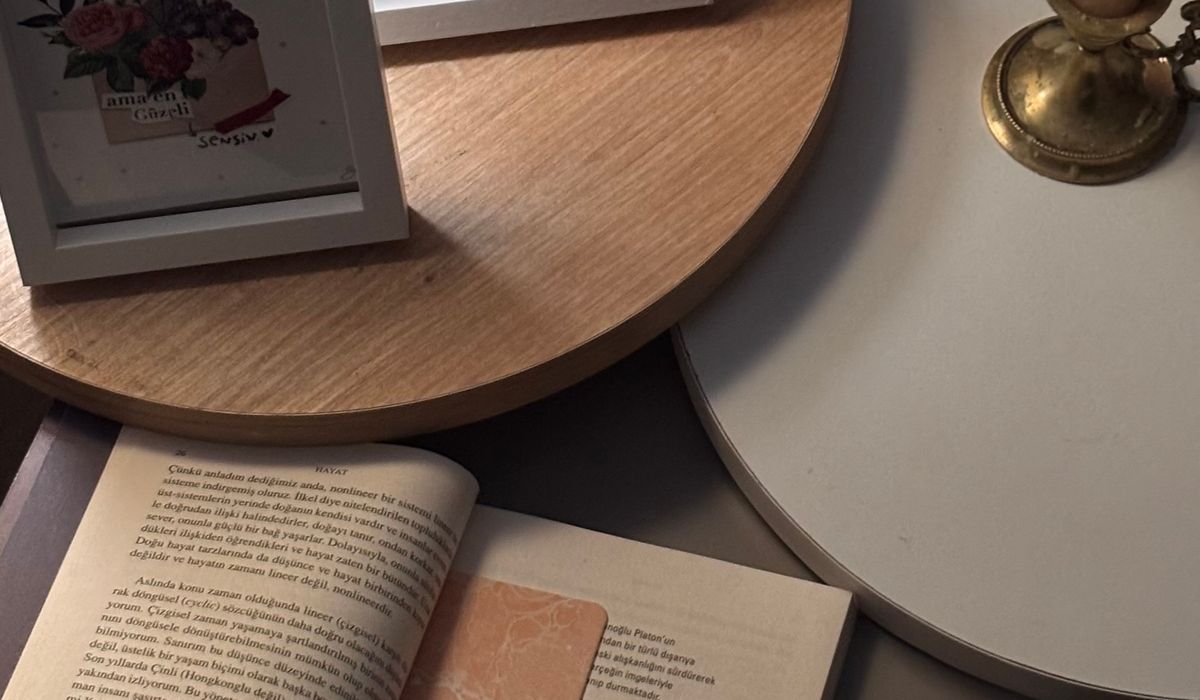
There is a particular pleasure in settling into a chair with a good book and losing track of time. But the wrong armchair can turn that pleasure into a fidgety ordeal. Before you fall for a handsome shape or a tempting price, think about how the chair will feel after two hours, not two minutes. This guide covers the practical details that matter most for long, happy reading sessions.
Seat depth is the measurement from the front edge of the seat to the backrest. For long reading sessions, you want your back to rest against the back cushion while your feet are flat on the floor. If the seat is too deep, you will either perch on the edge — causing back strain — or slide forward and slump your spine. A good rule of thumb: you should be able to fit two to three fingers between the back of your knees and the front edge of the seat. For an average-height adult, a seat depth of around 48–52 cm works well. Taller readers may prefer 55 cm or more; shorter readers should look for 45–48 cm. Also check the cushion. A firm, high-resilience foam will not collapse into a deep hollow over time, which would ruin the depth you carefully chose. If you like to curl up with your legs to one side, a slightly deeper seat can work, but only if the back support still reaches your lumbar area.
A reading chair should support the natural curve of your lower back. Look for a backrest with a gentle lumbar curve, not a flat plank. The angle matters too: a back that reclines slightly — around 100 to 110 degrees from the seat — takes pressure off your spine and encourages you to relax without slumping. Upright dining-chair angles of 90 degrees become tiring surprisingly quickly. If you like to lean your head back between paragraphs, choose a high back that supports your neck. If you prefer to keep your head upright, a lower back with a supportive cushion is better. Removable back cushions let you adjust the loft to suit your shape. A word of caution: very soft, overstuffed backs feel wonderful for five minutes but offer no support once you sink in. Firmness with a little give is the goal.
Long sitting means your body heat builds up against the chair. Breathable fabrics let moisture and warmth escape, so you stay comfortable. Natural fibres such as cotton, linen, and wool are excellent choices. Leather is durable and easy to wipe clean, but it can feel cold in winter and sticky in summer; if you choose leather, look for a smooth finish and avoid placing the chair in direct sunlight. Synthetic microfibres and polyester blends can trap heat, which is fine for a cool study but less pleasant in a warm room. A removable, washable cover is a practical bonus, especially if you read with a cup of tea nearby. Also consider the cushion filling: feather and down feel luxurious but need plumping and can flatten; foam wrapped in down or a foam-and-fibre mix offers support with a softer surface. If you overheat easily, a chair with a mesh or slatted back can help, though it feels less cosy in winter.
Armrests should support your forearms without pushing your shoulders up. When you sit, your elbows should rest at roughly 90 degrees, with your shoulders relaxed. If the arms are too high, you will hunch; too low, and you will slump to one side. Padded arms are kinder for long sessions, but make sure they are not so bulky that they stop you bringing a book close. Seat height matters for circulation and for getting up. Your feet should rest flat on the floor with your knees at about a right angle. A seat height of around 45 cm suits many people, but taller readers may need 48–50 cm and shorter readers 40–43 cm. Test standing up: if you have to push hard off the arms, the chair is too low or the cushion too soft. A firm front edge helps you rise without sinking.
In a shop, sit in the chair for at least fifteen minutes. Bring the book you are currently reading. Wear the clothes you usually wear at home — not a thick coat. Notice where you feel pressure: across the backs of your thighs (seat too deep or edge too hard), in your lower back (not enough lumbar support), or between your shoulder blades (back too upright). Shift position as you would at home. If you can, test the chair on a hard floor and on carpet, as this changes the effective seat height. Ask about the frame and cushion warranty, but do not let a long guarantee substitute for comfort. A chair that feels perfect for the first five minutes may reveal its flaws by minute twenty. If you cannot sit for fifteen minutes without fidgeting, walk away.
The best reading armchair disappears from your awareness. You are not thinking about your lower back or the heat behind your knees; you are thinking about the story. Prioritise seat depth, lumbar support, breathability, and an easy exit over passing trends. Measure your space, measure yourself, and take your time. A well-chosen chair will reward you for years of cosy evenings, long afternoons, and the occasional chapter that turns into three. When you find it, you will know: you will sit down, open your book, and forget the world for a while.


We are not gonna make spamming
