
The Reading Nook shares practical, down-to-earth guidance on cosy reading and books for readers across the UK.
- 0123456789
- Angle Bd Abdelmoumen & rue soumaya, Résidence
- [email protected]
The Reading Nook shares practical, down-to-earth guidance on cosy reading and books for readers across the UK.
 By Thomas Ashcroft
Poetry evenings have a reputation for being either terribly stiff or terribly earnest. Neither is necessary. A good one at home feels closer to a long, happy supper with a few poems threaded through it — warm, unhurried, and full of small surprises. The trick is to lower the stakes early, so that people who have not read a poem aloud since school feel perfectly welcome to try.
A theme gives the evening shape without giving it rules. "Poems about the sea" is inviting; "post-war British modernism" is a homework assignment. Aim for something any guest can reach into from memory, a bookshelf, or a phone on the bus home.
Say the theme out loud when you invite people, and add the magic words: interpret it loosely. A poem about a river counts. A song lyric written down counts. Something a guest wrote themselves absolutely counts.
Six to eight people is the sweet spot. Any fewer and the silences get long; any more and each reader gets only a few minutes, and shyer guests can hide all evening.
Good themes are concrete and a little sentimental. Try:
If you want to nudge without pressure, send two or three poems a week ahead as a starting point. Guests will often bring those plus something of their own.
This is the single biggest improvement you can make. Screens passed around the room kill the mood; a nice sheet of paper feels like a gift.
Ask each guest to bring one or two poems, no more. Two is plenty across eight people, and it keeps the pace unhurried.
Keep the food simple enough that you are not stuck in the kitchen while everyone else enjoys themselves. Nothing needs to be served hot from a pan.
Avoid anything noisy or fiddly during readings — the rustle of a crisp packet is the enemy of a quiet room. Put the spread on a side table and let people help themselves during the break.
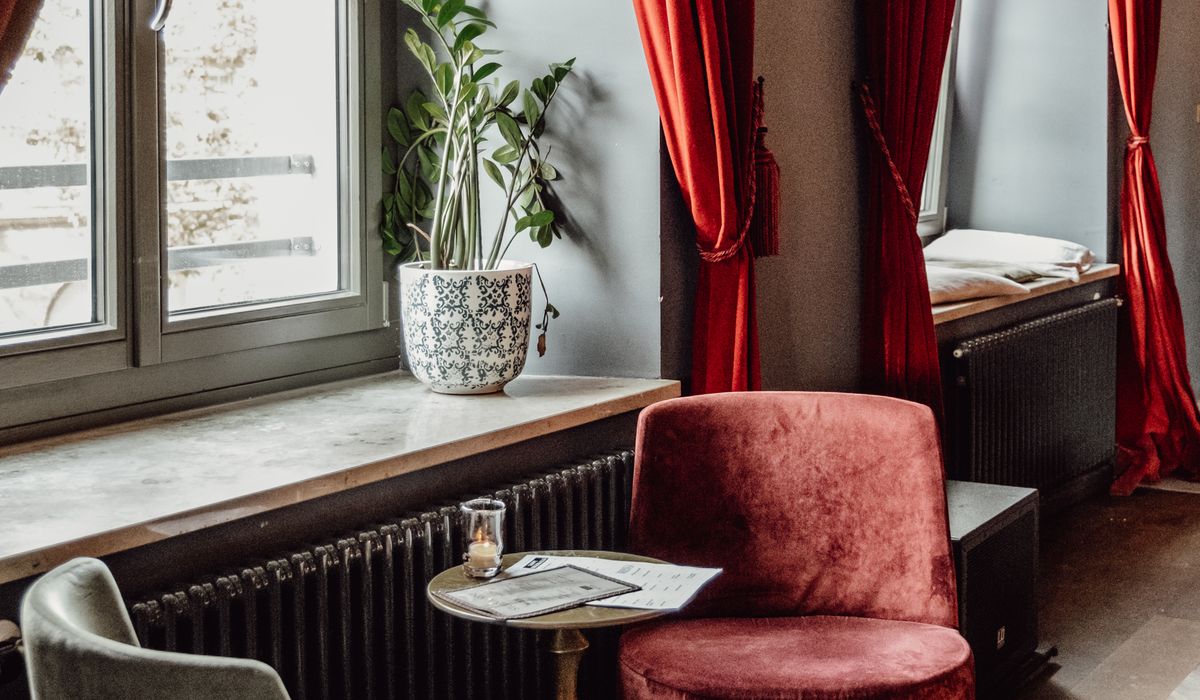
Arrange chairs in a rough circle or horseshoe rather than a row facing a performer. Lamp light, not ceiling light. A candle or two if you like the look of them, but keep flames well away from paper.
Run the evening in a gentle order:
Ninety minutes to two hours is right. End while people are still enjoying themselves, not once they are checking their phones.
Shyness is the main thing standing between a good evening and a great one, so remove the obstacles in advance.
Then let the conversation wander wherever it wants to. Some of the best moments of these evenings happen in the gap after a poem, when someone says, "my grandmother used to say that," and the room goes still and warm. Your only real job is to keep the tea topped up and the night moving gently along.


We are not gonna make spamming
