
The Reading Nook shares practical, down-to-earth guidance on cosy reading and books for readers across the UK.
- 0123456789
- Angle Bd Abdelmoumen & rue soumaya, Résidence
- [email protected]
The Reading Nook shares practical, down-to-earth guidance on cosy reading and books for readers across the UK.
 By Daniel Whitaker
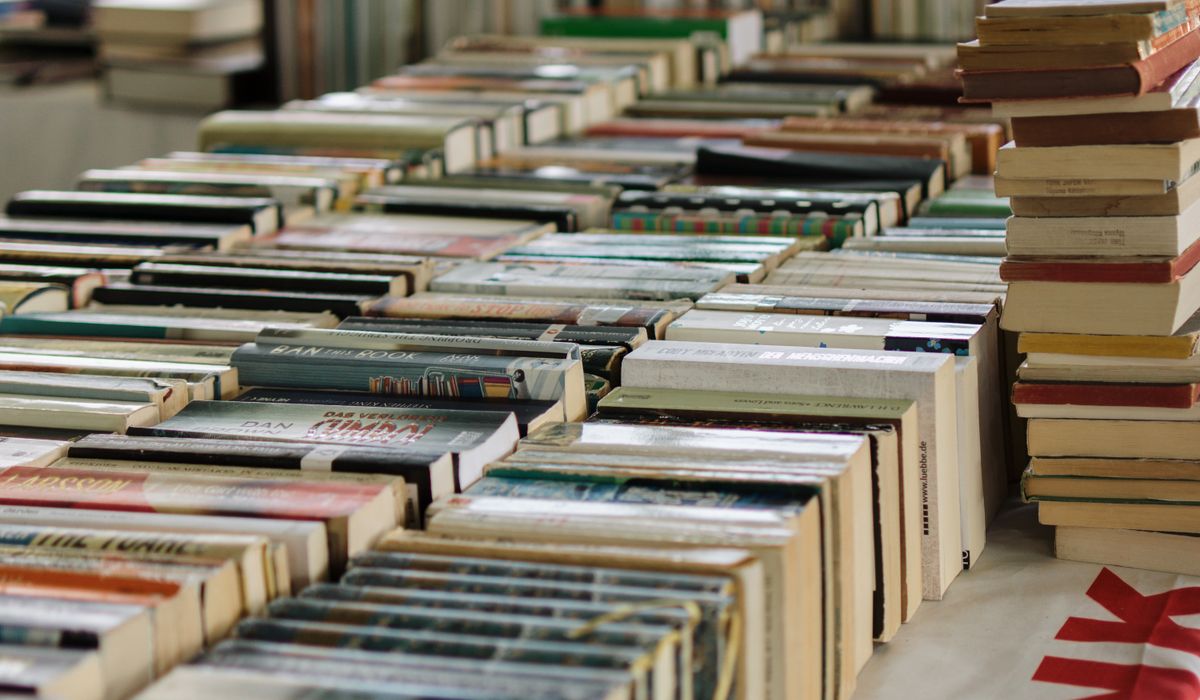
There is a particular sort of quiet in a good independent bookshop. Not silence exactly — more the hush of people thinking. Someone is crouched by the poetry shelf, someone else is reading the first page of a novel they had no intention of buying, and behind the counter a bookseller is doing that slow sideways glance that means they have already worked out what you might like.
That is the real difference. A large shop can hold thousands of titles; an independent holds the ones it is willing to defend. Every book on the table near the door was chosen by a person who has read it, argued for it, and will happily talk to you about it for ten minutes. For a reader, that curation is worth more than a loyalty card.
Once you start paying attention, you can tell a great shop within a minute of walking in. Here is what the best ones tend to have in common:
Where a shop sits shapes what it sells, and that is half the pleasure of visiting.
Seaside shops, in places like Whitby or St Ives, lean into the weather. Expect maritime history, sea-swimming memoirs, coastal walks and a strong line in ghost stories for the darker evenings. They are often small, and they often smell wonderfully of salt-damp paper and coffee.
Market-town shops — the sort you find tucked off a cobbled square in Ludlow, Thirsk or Hexham — tend to be the most practical. Cookery, gardening, farming, railway history and a solid second-hand room at the back. Somewhere to buy a birthday present and a bag of apples on the same trip.
Then there are the book towns: Wigtown in Dumfries and Galloway, Hay-on-Wye on the Welsh border, Sedbergh in Cumbria. These are destinations in their own right, with several shops within walking distance and a pleasant risk of arriving for one book and leaving with six.
Cathedral cities are worth a mention too. A shop near a cathedral close usually carries architecture, theology, classical music and a surprisingly good children's section, because it serves both visitors and a settled local readership.
A little preparation makes a bookshop trip far more rewarding, but not too much — leave room to be surprised.
Half the pleasure of a good bookshop is what happens afterwards. Build a small ritual around the books you bring home: one lamp, one blanket, one chair that is nobody else's. Keep the phone in another room. Twenty minutes a night is enough to finish a novel a month, and far more restful than an hour of scrolling.
Keep a physical stack of what you plan to read next, rather than a list on your phone — a visible pile is a gentle invitation. And give yourself permission to abandon a book at page fifty. Life is short, and the shop on the corner has plenty more.
Independent bookshops survive on thousands of small decisions. Buy the hardback at full price occasionally rather than always waiting for a discount. Preorder the books you are excited about, because advance orders tell a bookseller what to stock. Buy gift copies in person, attend the author evening even if it is raining, and recommend the shop to friends by name.
None of it is dramatic. All of it adds up — and it keeps those warm, well-curated rooms open for the next reader who wanders in, shakes off the rain, and finds exactly the book they did not know they needed.


We are not gonna make spamming
